
6 Car Detailing Myths You Probably Still Believe
Maintaining a vehicle in pristine condition requires consistent effort and accurate knowledge. Many owners take immense pride in their vehicles, spending time ensuring their exterior finishes look excellent on the open road. However, misinformation circulates throughout the automotive community, leading to practices that can inadvertently damage a vehicle's paint over time. Discerning truth from fiction is essential for anyone wishing to preserve their vehicle. Understanding professional car detailing helps owners protect their investments from environmental degradation.
Proper vehicle maintenance goes far beyond a simple surface rinse, requiring a deeper knowledge of protective coatings. Many individuals rely on outdated advice passed down through generations, assuming these traditional household methods are safe for modern automotive paints. This is why automobile enthusiasts who want to maximize vehicle resale value must learn to separate established industry facts from stubborn urban legends. Exploring the realities of car detailing ensures your vehicle receives the precise care it needs.
1. Avoid Using Household Dish Soap
Many vehicle owners assume that liquid dish soap is a safe, cost-effective alternative to specialized automotive cleaning solutions. Because dish soap cuts through heavy grease, it seems like a powerful choice for removing stubborn road grime. However, these household detergents contain aggressive chemical degreasers completely unsuited for automotive clear coats. They lack the chemical balance required to protect delicate paintwork, often stripping away essential oils. Professionals specializing in car detailing emphasize that these harsh soaps ruin the vehicle's overall appearance.
Beyond damaging paint, household dish detergents pose a threat to protective coatings previously applied to the exterior. Conventional automotive wax and synthetic sealants create a sacrificial barrier against ultraviolet radiation and bird droppings. Applying dish soap strips away these defensive layers, leaving the clear coat exposed to immediate environmental damage. This neglect can have financial consequences for owners looking to sell later. According to U.S. News, individuals purchasing a brand-new car can typically expect the vehicle's overall market value to drop by approximately 20% after one year of ownership.
2. Distinguish Between Waxing and Sealing
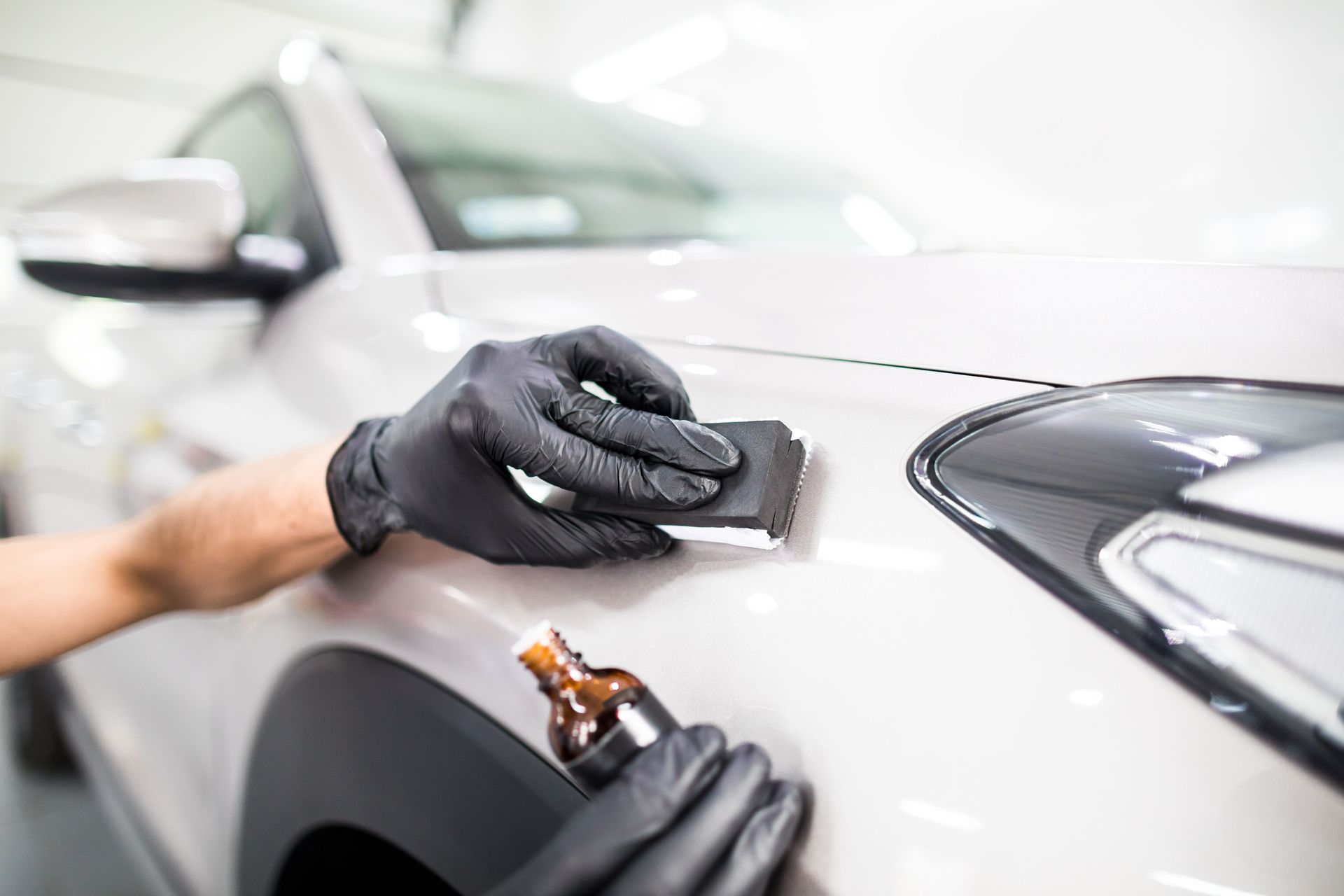
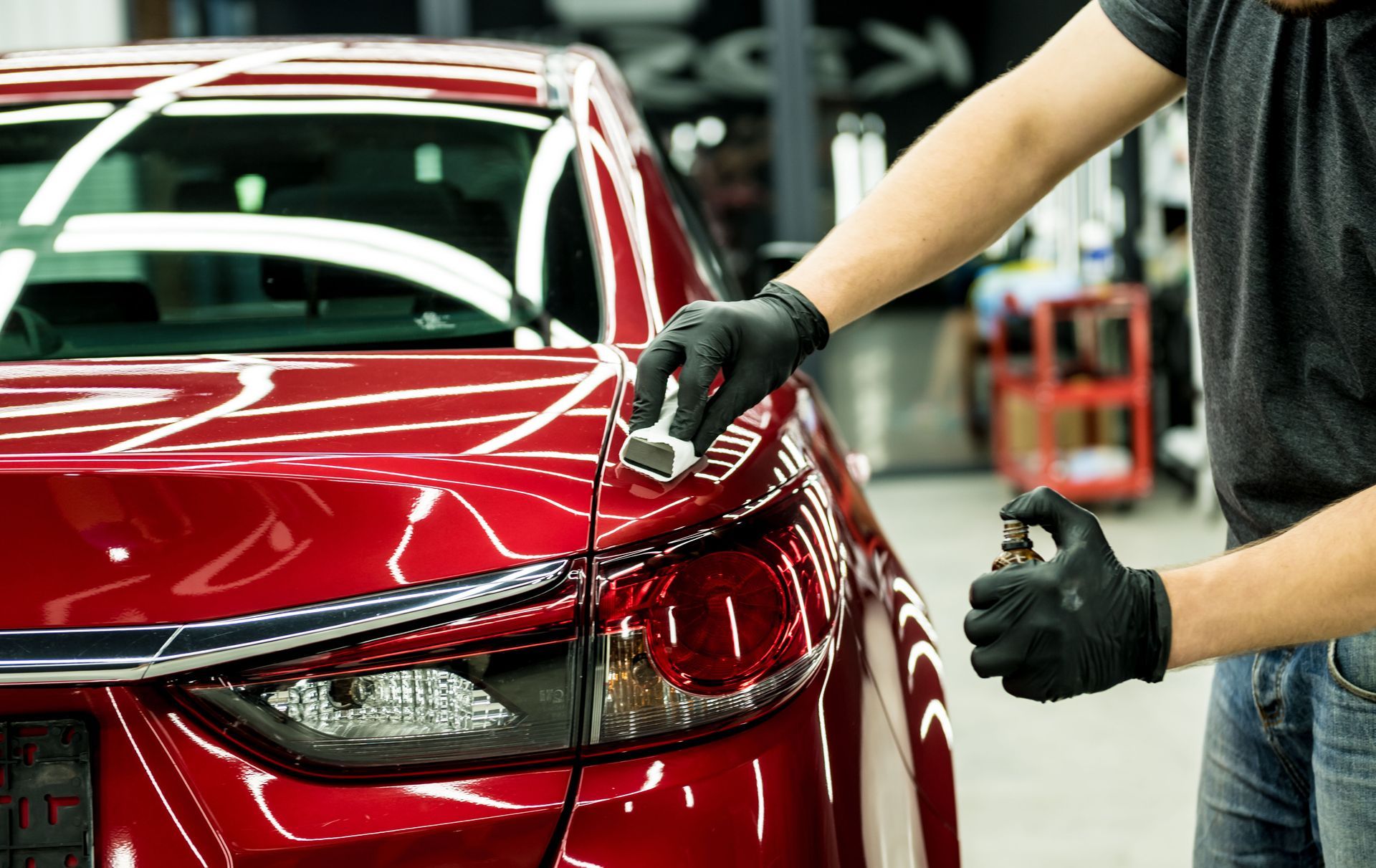
A frequent misconception among car enthusiasts is that applying a layer of wax is identical to applying a paint sealant. While both products safeguard the exterior, their chemical formulations and primary protective purposes differ significantly. Traditional automotive wax is typically derived from natural sources, such as carnauba palm leaves, and is highly prized for creating a deep, warm luster. In contrast, synthetic sealants are engineered entirely in laboratories using advanced polymer technology designed to offer durability against environmental hazards.
The primary divergence between these choices lies in their longevity and resistance to high temperatures. Natural wax sits loosely on top of the surface and can melt away when exposed to intense summer sunlight, requiring frequent reapplication. Synthetic paint sealants form a tight molecular bond with the clear coat, providing a durable shield that withstands repeated washing. While sealants provide a highly reflective finish, they require less maintenance than natural waxes, making them excellent for paint preservation.
3. Recognize the Limits of Polishing
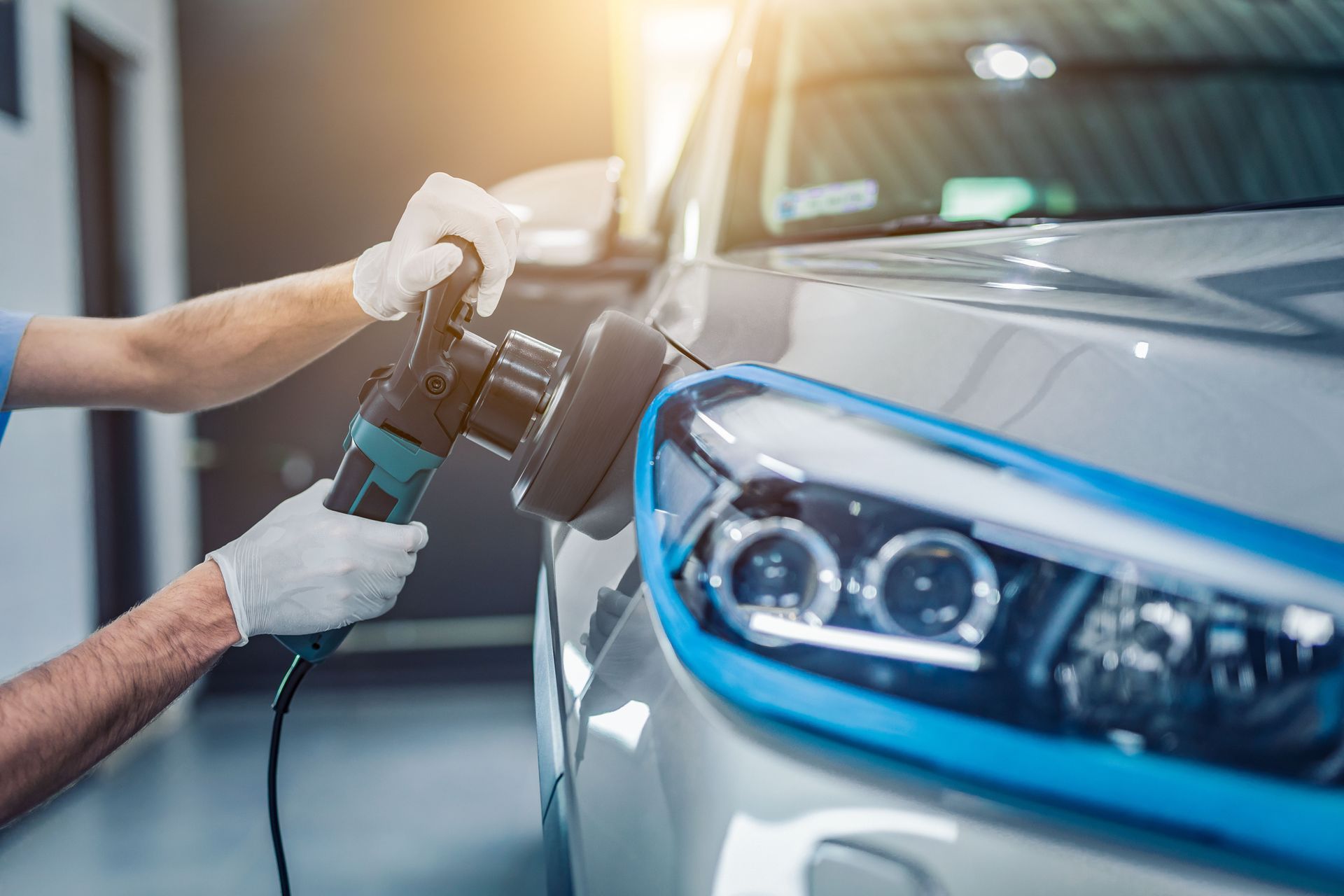
Vehicle owners often believe that an intensive polishing session can miraculously eliminate every single scratch or blemish on their paint. Scratches vary dramatically in depth, ranging from light surface marring to severe gouges that penetrate down to the bare metal. Superficial imperfections reside entirely within the topmost clear coat layer and are often caused by improper wiping techniques. Deeper abrasions are the result of minor accidents, creating structural damage that cannot be fixed by simple surface smoothing.
Polishing works by utilizing microscopic abrasives to gently shave away a fraction of the clear coat, leveling the surface to make shallow scratches disappear. This technique is highly effective for restoring clarity, but it possesses definitive boundaries because a vehicle has a finite clear coat layer. Scheduling professional car detailing can save your paint from accidental damage. Proper evaluation ensures the chosen method restores appearance without compromising clear coat integrity.
4. Stop Air Drying Your Vehicle
Allowing a freshly washed vehicle to dry naturally in the open air seems like an effortless way to complete a cleanup routine. Many people assume that evaporating water leaves behind a clean surface, but this practice actually invites significant cosmetic issues. As water evaporates from warm body panels, it leaves behind concentrated mineral deposits that were suspended in the liquid. These residues form hard water spots that can permanently etch into the clear coat if left untreated.
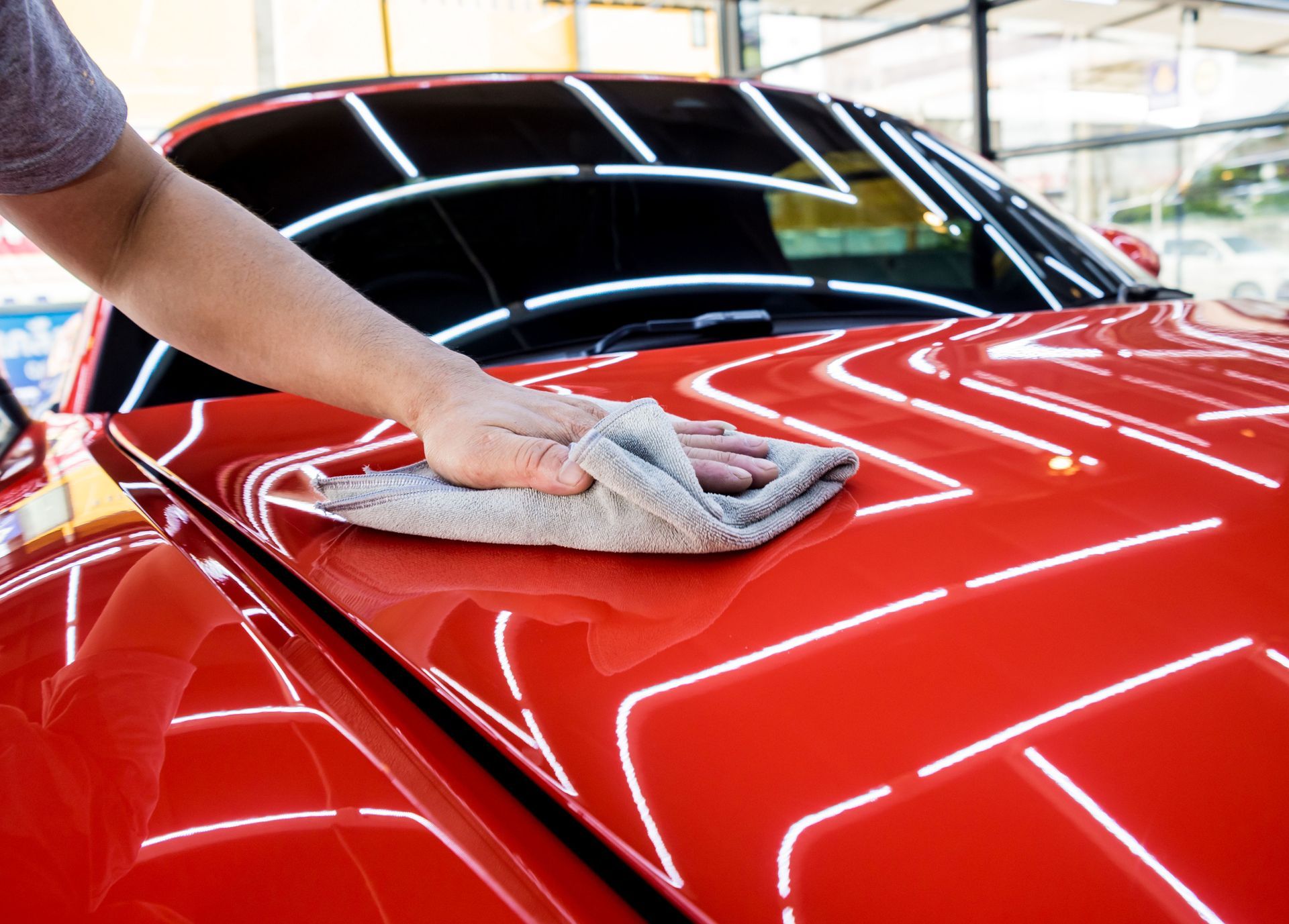
Implementing a thorough hand-drying routine using high-quality materials is the most effective method to prevent these damaging mineral spots. Specialized microfiber towels are preferred over traditional cotton towels because their split-fiber design safely traps residual dirt particles. Traditional towels lack the necessary absorbency and often drag tiny contaminants across the paint, creating fine swirl marks. Microfiber material lifts moisture away instantly while reducing surface friction, ensuring a flawless, smooth reflection across all exterior surfaces.
5. Trust Professional Automatic Car Washes
A widespread rumor claims that all automatic washes are inherently bad for a vehicle's exterior and cause permanent paint damage. While it is true that poorly maintained gas station washes with old, gritty brushes can scratch paint, professional wash facilities utilize completely different systems. Modern professional automated facilities employ closed-cell foam or soft-cloth materials that cannot absorb dirt. These advanced systems are continuously monitored and flooded with lubricating shampoos to ensure a safe, efficient cleaning process.
Choosing a reputable automated wash center provides a balance of convenience, environmental responsibility, and safety for your vehicle. Professional facilities recycle water and use precise computer-controlled systems to deliver optimal pressure without risking damage to delicate trim. This fast cleaning method removes corrosive road salt and grime from hard-to-reach undercarriage areas that hand washing misses. Relying on professional automated systems ensures your car stays clean and protected without sacrificing your valuable time.
6. Apply Clay Bars to Paint
Another common misconception dictates that clay bars are aggressive tools reserved solely for older, neglected vehicles with weathered paint. Many people assume that a brand-new vehicle fresh from the dealership lot possesses flawless paint requiring no specialized decontamination. Many misconceptions surround this specific phase of car detailing, but the reality is that new vehicles are often contaminated during transit. While traveling on trains, new cars accumulate industrial fallout and metallic rail dust that bonds to the surface.
Utilizing a dedicated detailing clay bar gently pulls these microscopic impurities out of the clear coat without scratching the underlying paintwork. The clay glides smoothly across a lubricated surface, safely trapping embedded debris within its sticky composition rather than dragging it along. Performing this crucial decontamination step creates an optimal surface for the adhesion of protective waxes. Integrating this process into a regular car detailing routine ensures that protective products bond effectively, maximizing performance and paint smoothness.
Sifting through the endless sea of automotive advice can be challenging, but debunking these widespread car detailing myths allows owners to implement truly effective preservation techniques. Relying on scientifically sound maintenance practices rather than convenient shortcuts prevents costly damage and maintains aesthetic appeal. Understanding how products interact with clear coats ensures that every washing session yields optimal results. Taking a proactive approach to vehicle care preserves the physical beauty of the exterior while protecting financial worth.
Maintaining a vehicle properly requires a blend of correct information, help from qualified professionals, and a dedication to patient craftsmanship. Avoiding common pitfalls like household dish soaps, unmaintained brush washes, and improper drying methods will keep your vehicle looking immaculate for years. When the process demands specialized expertise or advanced paint correction, partnering with experienced professionals can make a profound difference. Contact us at CarBuff's today to experience the highest standard of automotive care.




Share On: