

How Often Should You Schedule Car Detailing Services?
Keeping a vehicle clean is about more than appearance. Dirt, road salt, pollen, brake dust, food spills, pet hair, and everyday grime can build up quickly and affect both the interior and exterior. Professional car detailing services can help protect paint, preserve upholstery, improve comfort, and make a vehicle feel newer for longer. However, many drivers are unsure how often detailing should be scheduled. The right frequency depends on driving habits, local weather, vehicle use, storage conditions, and personal expectations. Vehicle age, protective coatings, and the amount of time spent on the road should also be considered. Understanding these factors can help you create a practical schedule that keeps your vehicle looking its best without paying for unnecessary appointments.
Evaluating Your Daily Driving Habits
Your daily routine is one of the most important factors in deciding how often to schedule detailing. A vehicle used mainly for short weekend trips will usually stay cleaner than one driven every day through traffic, construction zones, gravel roads, or long highway commutes. Frequent driving exposes the exterior to dust, insects, tar, road debris, and exhaust residue. Inside the cabin, regular use can lead to crumbs, dirt, fingerprints, and wear on seats, carpets, and controls.
Drivers who spend several hours on the road each week may benefit from professional attention every three to four months. This schedule gives technicians a chance to remove buildup before it becomes difficult to clean or begins damaging surfaces. Less frequent drivers may be able to wait six months between appointments, especially if the vehicle is stored in a garage. Paying attention to how quickly dirt returns can help you determine whether your current schedule is sufficient.
Considering Local Weather Conditions
Climate plays a major role in how quickly a vehicle becomes dirty and how much protection it needs. Rain can leave mineral spots, pollen can coat paint and air vents, and strong sunlight can fade surfaces over time. In colder regions, snow, ice, and deicing materials create additional concerns. According to Penn State University, road salt (sodium chloride) lowers the freezing point of water to 15 degrees Fahrenheit. Even so, road salt is widely used and can collect on wheels, undercarriages, rocker panels, and other exposed areas.
Drivers in areas with harsh winters, heavy rain, coastal air, or intense heat may need car detailing services more often than those in mild climates. Seasonal appointments can be especially helpful, such as a thorough cleaning after winter or a protective treatment before summer. Removing salt, sand, and moisture helps reduce the risk of corrosion, while waxes, sealants, and interior conditioners provide a layer of defense against sun and weather exposure.
Assessing Your Vehicle's Parking Environment
Where a vehicle is parked can affect how often it needs professional care. Cars stored in a garage are better protected from sunlight, bird droppings, tree sap, pollen, dust, and severe weather. Vehicles parked outdoors are exposed to these elements every day, even when they are not being driven. Tree-lined parking areas may provide shade, but they can also increase exposure to leaves, insects, sap, and bird waste that may damage paint if left untreated.
If your vehicle stays outside most of the time, scheduling detailing every three to four months can help prevent contaminants from bonding to the paint or becoming embedded in trim. Garage-kept vehicles may only need a complete appointment twice a year, depending on how they are used. Regular washing between professional visits is still important, but detailing provides deeper cleaning and protective treatments that ordinary washes may not include.
Reviewing Your Interior Use
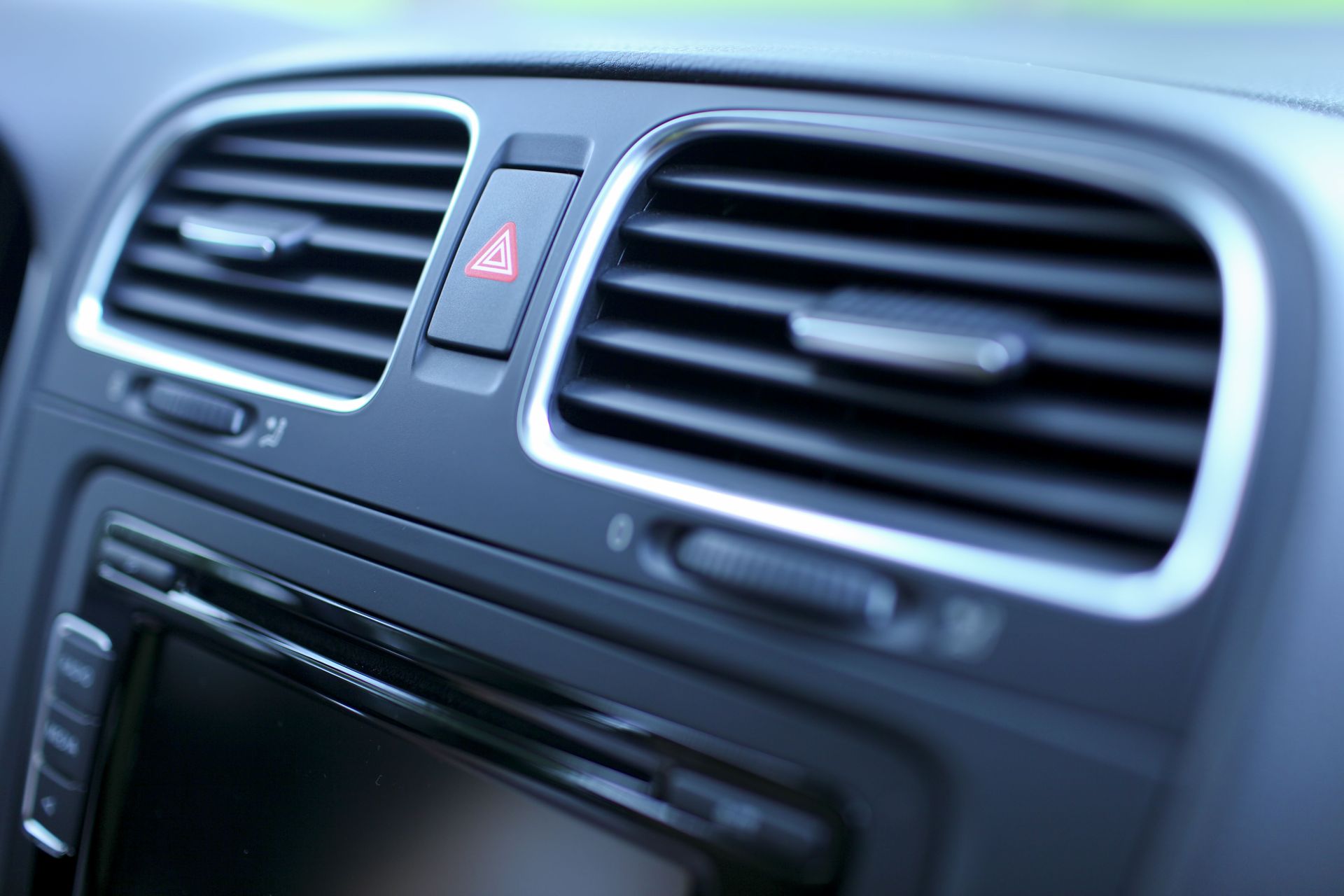
The condition of the cabin often determines when another appointment is needed. Families with children, pet owners, rideshare drivers, and people who eat or drink in their vehicles typically experience faster interior buildup. Spills, crumbs, mud, pet hair, odors, and stains can settle into carpets and upholstery. High-touch surfaces such as steering wheels, door handles, touchscreens, and cup holders can also collect oils and grime through everyday use.
For heavily used interiors, car detailing services every two to three months may be appropriate. A professional can vacuum hard-to-reach areas, treat stains, clean vents, condition leather, and remove odors before they become persistent. Drivers who keep food and pets out of the vehicle may only need interior detailing every six months. Simple habits such as removing trash regularly and using floor mats can help extend the time between appointments.
Protecting Your Vehicle's Exterior Finish
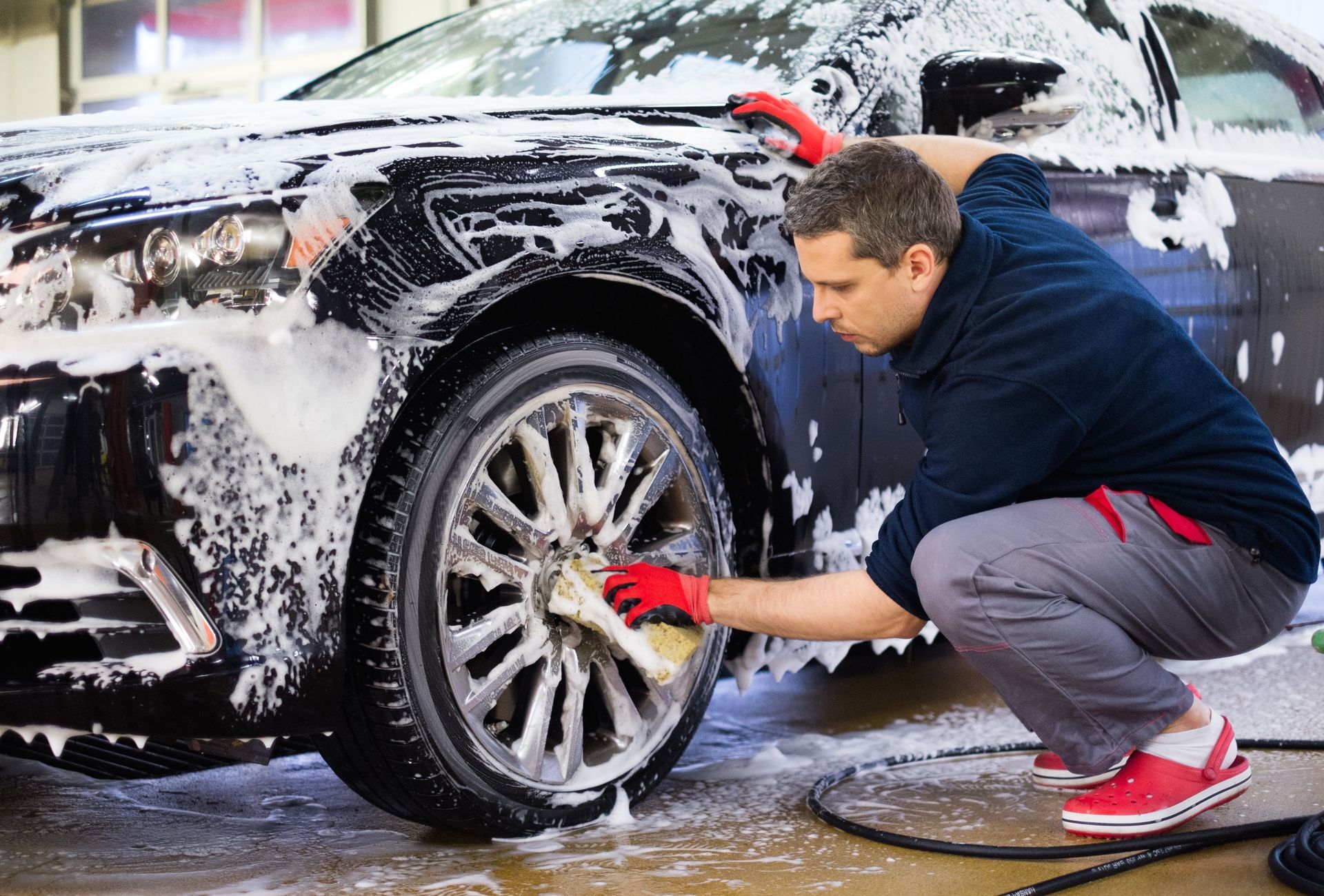
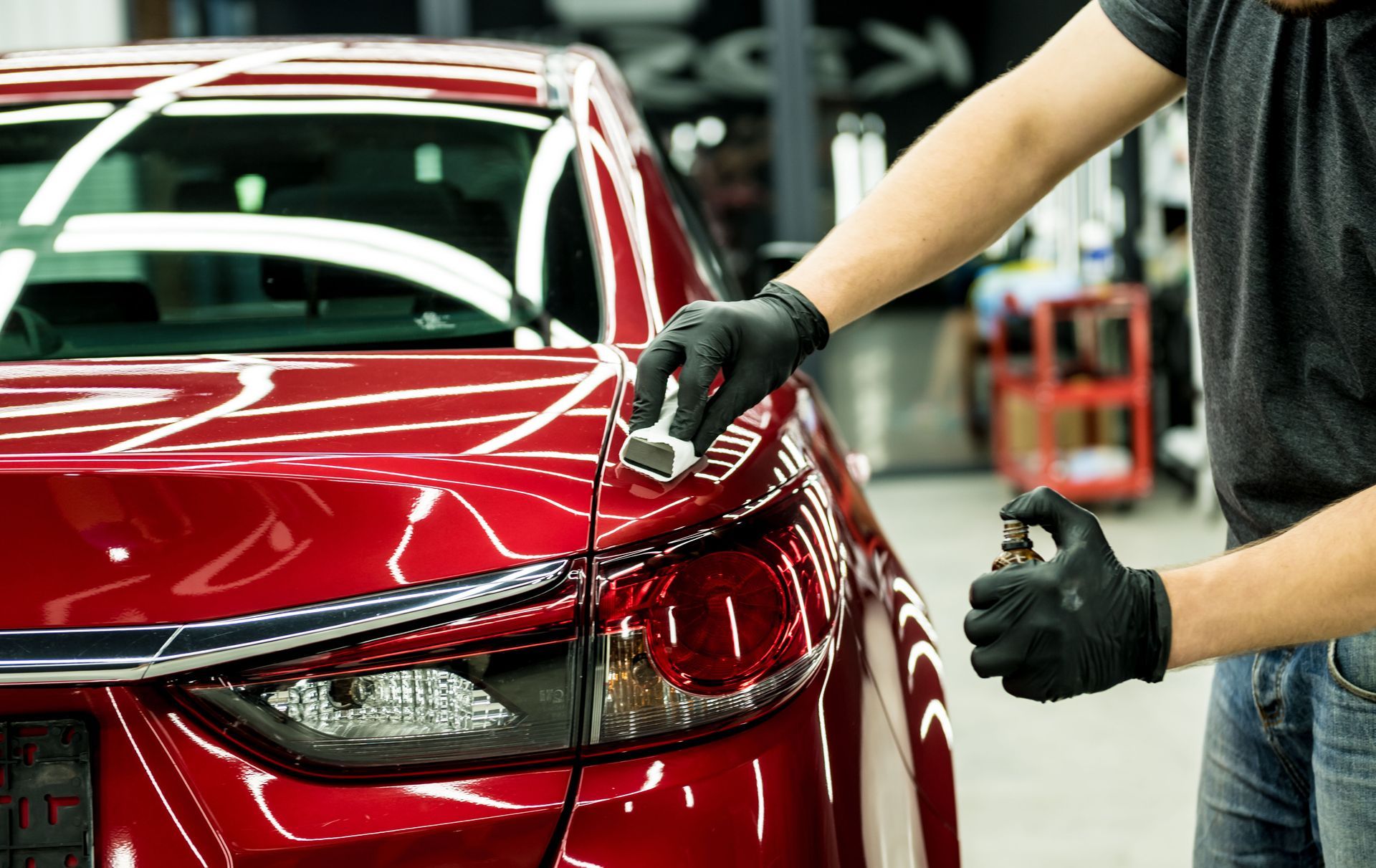
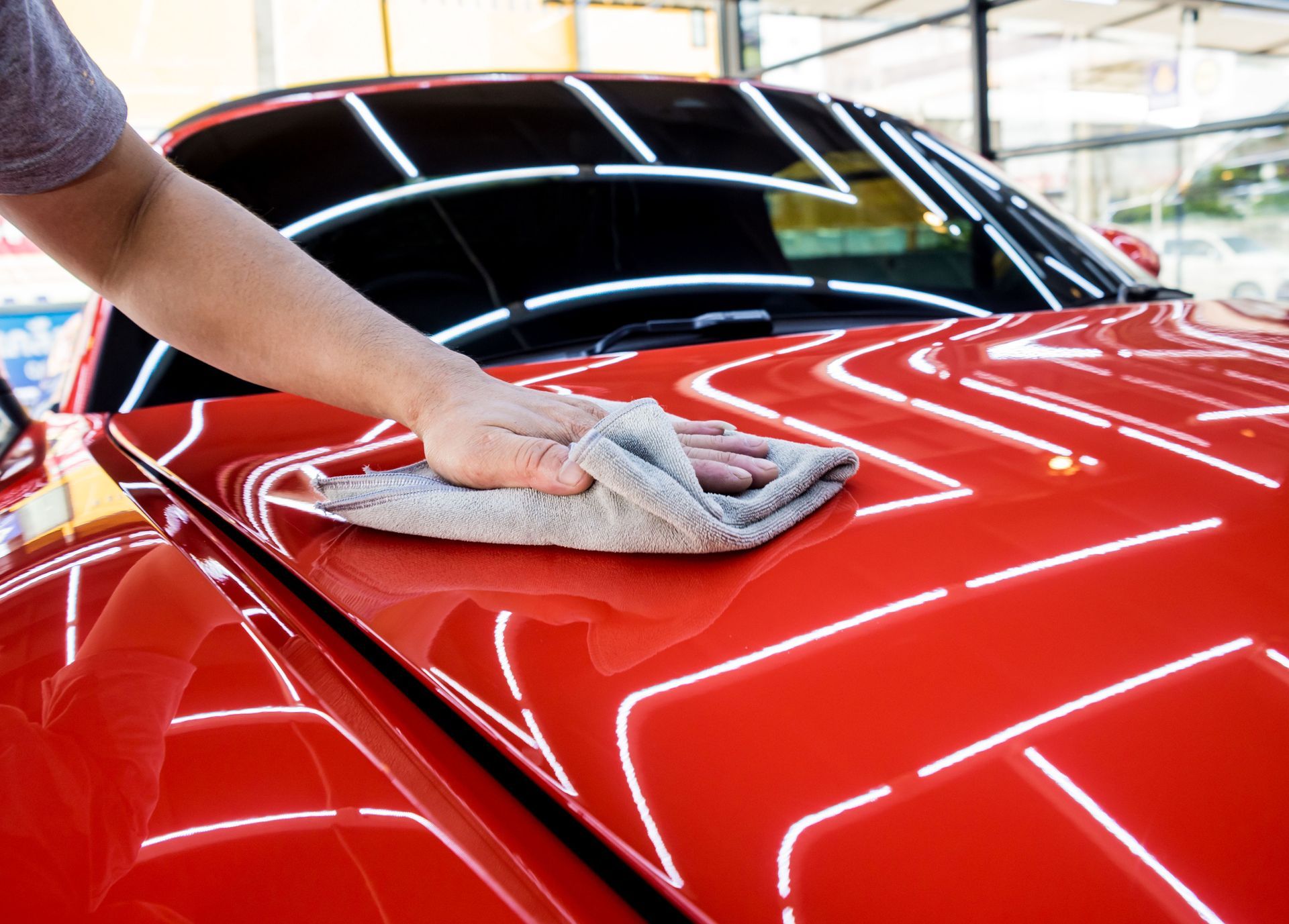
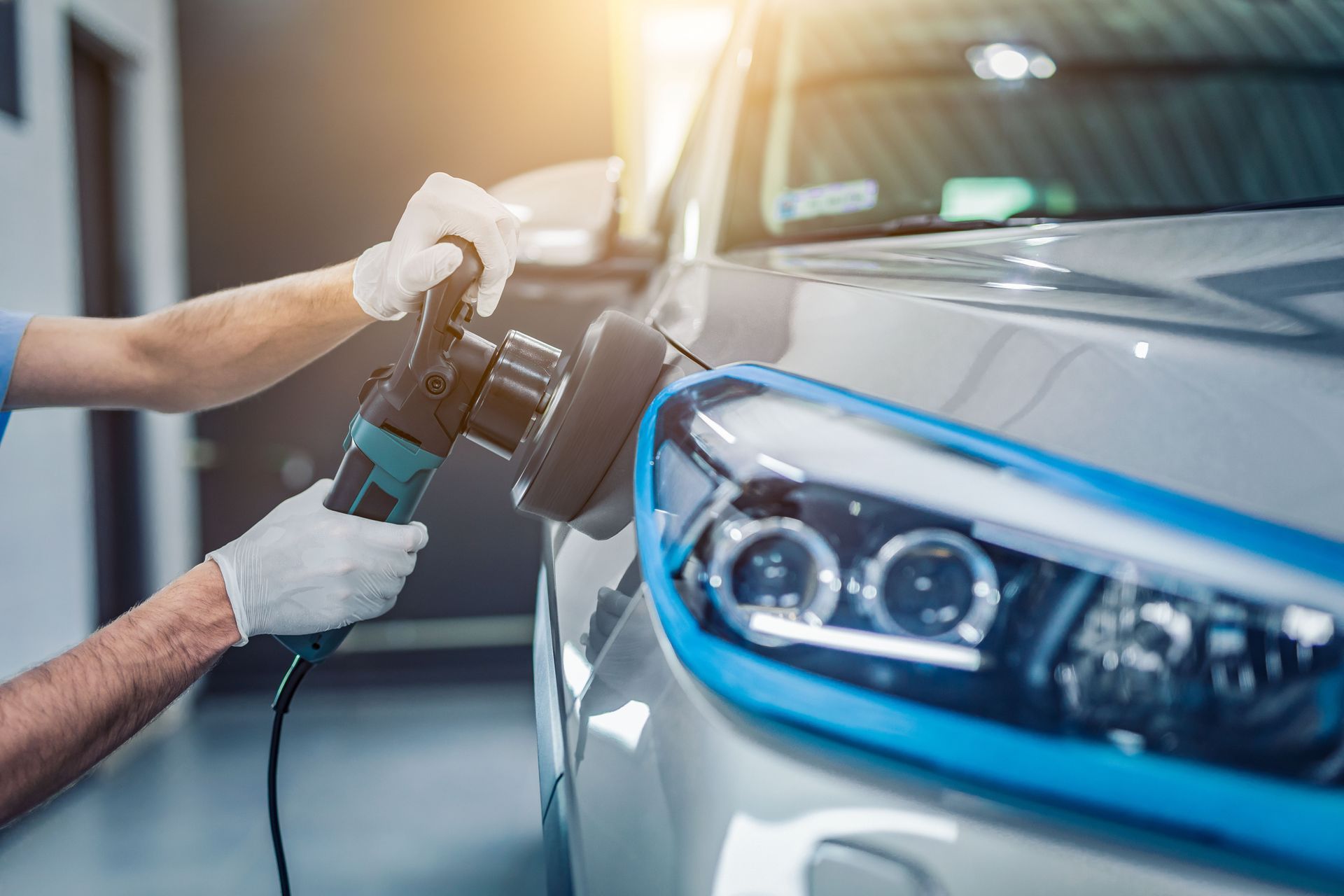
Paint protection is another reason to maintain a regular detailing schedule. Road grime, insects, bird droppings, tree sap, and industrial fallout can damage the clear coat when they remain on the surface too long. Professional detailing may include washing, clay treatment, polishing, waxing, or sealant application. These steps remove contaminants and create a smoother surface that is easier to maintain between appointments.
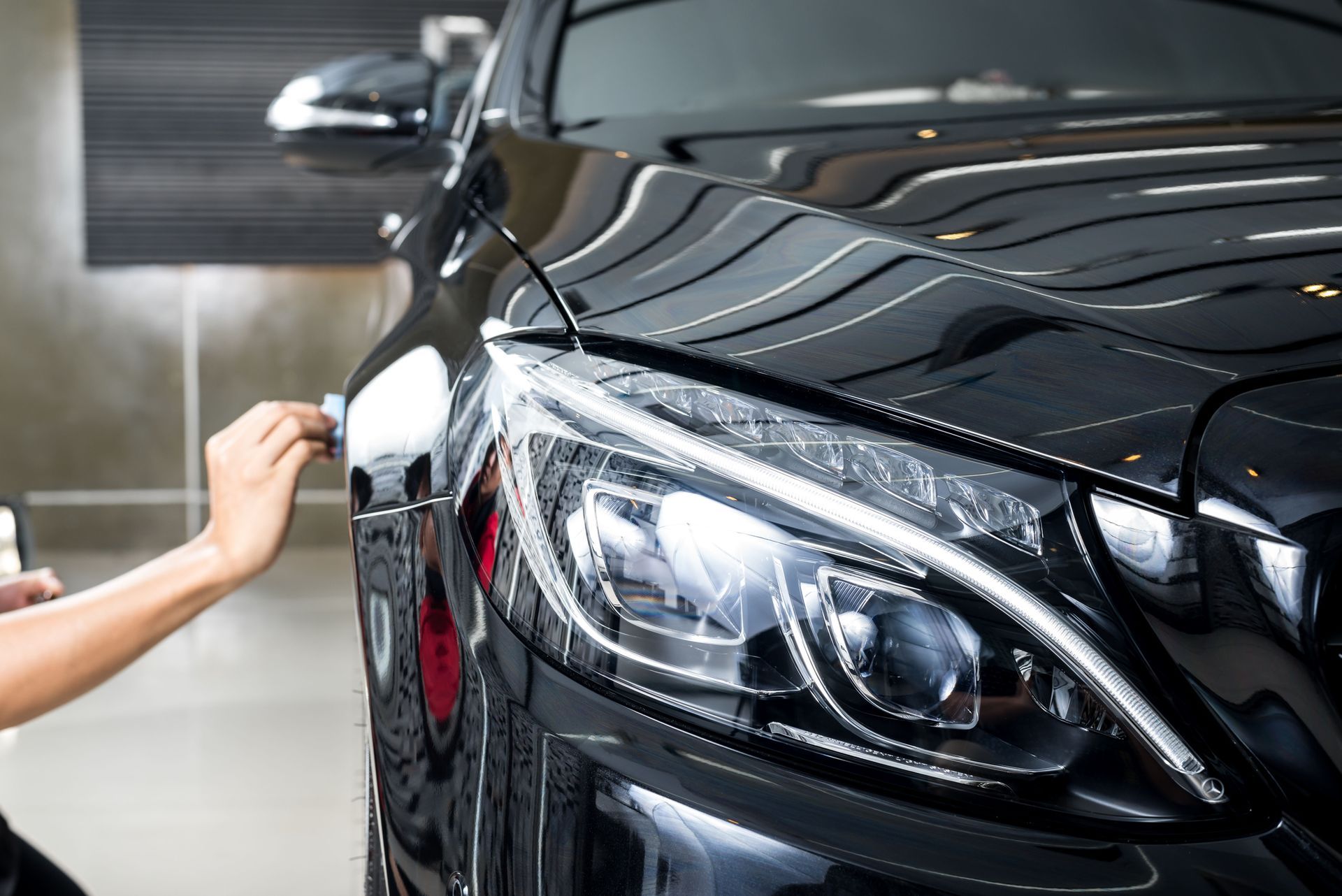
Most drivers benefit from exterior car detailing services two to four times per year. Vehicles with wax protection may need more frequent applications than those treated with a longer-lasting sealant or ceramic coating. The correct interval also depends on how often the vehicle is washed and whether harsh detergents are used. When water stops beading, the paint feels rough, or the finish appears dull, it may be time to schedule another service.
Planning Around Seasonal Changes
Seasonal detailing can make vehicle care easier to manage. Spring is a good time to remove winter salt, grime, and moisture from the exterior and undercarriage. Summer appointments can address insects, dust, sunscreen residue, and ultraviolet exposure. Fall detailing helps clear leaves, sap, and pollen while preparing painted surfaces for colder weather. Winter service may focus on salt removal, protective coatings, and keeping the interior free from mud and moisture.
Scheduling car detailing services at the start or end of each season creates a predictable routine and helps prevent long periods of neglect. Some drivers may only need spring and fall appointments, while others may benefit from quarterly service. A seasonal approach is especially useful for people who live in areas with major weather changes because it allows each visit to address the most common problems for that time of year.
Matching the Schedule to Vehicle Value
The age, condition, and value of a vehicle can also influence detailing frequency. Newer vehicles often benefit from early protection because maintaining the original finish is easier than correcting years of damage later. Luxury, classic, collectible, or leased vehicles may require more frequent attention to preserve appearance and support resale or return value. Even older vehicles can look noticeably better and remain more comfortable with consistent care.
Owners who plan to sell or trade in a vehicle may want to schedule car detailing services shortly before listing it. A clean cabin, polished exterior, and well-maintained trim can create a stronger first impression for potential buyers. For ongoing care, quarterly or semiannual appointments are usually practical. The goal is to choose a schedule that matches the vehicle's condition, financial value, and importance to your daily life.
There is no single detailing schedule that works for every driver. Daily mileage, weather, parking conditions, interior use, paint protection, seasonal changes, and vehicle value all affect how quickly cleaning and protection are needed. For many vehicles, scheduling professional car detailing services every three to six months provides a good balance, while heavily used or outdoor vehicles may need attention more often. Watching for fading paint, stubborn odors, rough surfaces, stains, or heavy buildup can help you know when it is time for another appointment. A consistent schedule can also make routine cleaning easier and help prevent small cosmetic concerns from becoming permanent damage. To create a detailing schedule that fits your vehicle and driving habits, contact CarBuff's.








Share On: